
You’re not alone in wondering what’s happening beneath the surface or how you can best support them. Many children experience intense emotions or behavioral challenges that go beyond typical developmental phases, and understanding these patterns is the first step toward helping your family thrive.
Parenting can feel overwhelming when your child is struggling with big emotions or challenging behaviors.
The conditions we’ll explore here are more common than you might think, and most importantly—they’re treatable. While each has distinct characteristics, they often occur together, which is why working with a qualified professional can make all the difference in creating an effective support plan.

Lorem ipsum dolor sit amet, consectetuer

Lorem ipsum dolor sit amet, consectetuer

Lorem ipsum dolor sit amet, consectetuer

Lorem ipsum dolor sit amet, consectetuer
Lorem ipsum dolor sit amet, consectetuer

Lorem ipsum dolor sit amet, consectetuer
Every child pushes boundaries—it’s part of growing up. But sometimes, oppositional behavior becomes so persistent and intense that it disrupts daily life for the whole family. What you might notice: ODD typically becomes apparent between ages 6-8, showing up as a consistent pattern across three key areas
Your child may seem angry or irritated much of the time, with frequent outbursts that feel disproportionate to the situation
Rules become constant battlegrounds, with your child seeming to deliberately test limits or blame others when things go wrong
There’s an ongoing resentment, particularly toward authority figures, that doesn’t seem to fade
About 3-5% of children experience ODD, with slightly higher rates among boys. The encouraging news is that early intervention—particularly when it focuses on strengthening parent-child relationships and consistent approaches—often leads to significant improvement and can prevent more serious challenges later.
The most effective approaches center on family-based strategies: learning new ways to respond to challenging behavior, building positive connections, and creating predictable routines. Cognitive behavioral therapy can help older children develop better problem-solving and anger management skills. While medication isn’t typically the primary treatment, it may be helpful when other conditions like ADHD are also present.
Some children experience a level of irritability that goes far beyond occasional bad moods, creating ongoing challenges at home, school, and with friends. What you might notice: DMDD involves chronic, severe irritability in children ages 6-18 (with symptoms beginning before age 10):
Your child seems consistently on edge, with little relief from their grumpy or angry mood
Meltdowns that happen multiple times per week and seem completely out of proportion to what triggered them
The difficulties show up everywhere—home, school, and social situations
DMDD was specifically developed to help children who experience chronic irritability rather than the distinct mood episodes seen in bipolar disorder. Research shows that children with DMDD are more likely to develop depression or anxiety as they grow, which helps guide treatment approaches.
Treatment typically starts with therapy focused on helping your child recognize and manage their emotional responses, combined with family work to develop consistent, supportive approaches at home. When other conditions like ADHD or anxiety are present, addressing those often helps reduce overall irritability. The goal is building your child’s emotional toolkit while strengthening family relationships.
Sometimes children experience sudden, intense bursts of aggression that seem to come out of nowhere, leaving everyone shaken and confused.
We start with a detailed interview with you and your child to explore symptoms, history, strengths, and challenges
These unpredictable moments can create ongoing tension and worry about when the next episode might occur. Children often feel as confused and upset by their outbursts as their families do.
Treatment focuses on helping children recognize their early warning signs and develop better coping strategies. This includes learning relaxation techniques, understanding triggers, and building communication skills.
If your child has ADHD, you’ve probably noticed that challenges with attention and hyperactivity are just part of the picture. Many children with ADHD also struggle with intense, rapidly changing emotions. The emotional side of ADHD: Beyond the well-known symptoms of inattention and hyperactivity, 30-50% of children with ADHD experience:
Feelings that seem to shift quickly and dramatically
Small setbacks can trigger big reactions
Once upset, it takes much longer to calm down
That may look similar to other conditions but are part of the ADHD pattern
These emotional challenges often impact your child’s daily life more significantly than attention symptoms alone. The good news is that understanding this connection helps create more targeted and effective support strategies.
Treatment approaches include teaching self-regulation skills, mindfulness techniques, and cognitive strategies. Parent training helps families respond consistently to emotional moments. When non-medication approaches aren’t sufficient, carefully considered medical support may be part of a comprehensive plan.
Depression in children and teens can look different than it does in adults, and it’s more common than many parents realize. When depression emerges: While depression can occur in school-age children, it becomes more common during adolescence. About 5% of 12-year-olds and 17% of 17-year-olds experience a major depressive episode each year.
For mild cases, supportive therapy like CBT or interpersonal therapy often helps significantly. More severe cases may benefit from a combination of therapy and carefully considered medical support. The key is ongoing monitoring to ensure safety and track improvement.

Persistent sad or irritable mood (yes, irritability can be depression in young people)
Loss of interest in activities they used to enjoy
Changes in sleep or appetite
Fatigue or low energy
Feelings of worthlessness or excessive guilt
Difficulty concentrating
Physical complaints like headaches or stomach aches
Any thoughts about death or suicide
These emotional challenges often impact your child’s daily life more significantly than attention symptoms alone. The good news is that understanding this connection helps create more targeted and effective support strategies.
Treatment approaches include teaching self-regulation skills, mindfulness techniques, and cognitive strategies. Parent training helps families respond consistently to emotional moments. When non-medication approaches aren’t sufficient, carefully considered medical support may be part of a comprehensive plan.
Bipolar disorder typically emerges during the teenage years and involves distinct episodes of mania or hypomania, alternating with depression.
Rather than clear “high” and “low” periods, teens often show intense irritability and dramatic mood swings. True manic episodes include decreased need for sleep, rapid speech, racing thoughts, inflated self-esteem, and risky behavior lasting at least a week.
Treatment typically involves family-focused therapy, CBT, and psychoeducation to help everyone understand and manage the condition. Medical support is often considered as part of a comprehensive, long-term approach guided by specialist evaluation.
It’s actually quite common for children to experience more than one condition simultaneously. Nearly half of children with ADHD, for example, have another behavioral or mood condition. Understanding these connections helps create more comprehensive and effective support plans.
ADHD with ODD or emotional dysregulation
DMDD developing into depression or anxiety over time
ChangesMultiple conditions sharing similar symptoms but requiring different approaches in sleep or appetite
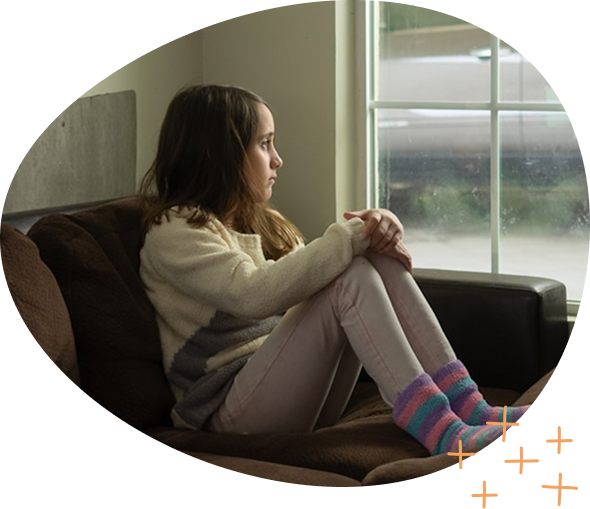
These challenges are real, but so is hope. With proper support, most children can develop stronger coping skills, build better relationships, and thrive in their daily lives.
If you’re concerned about your child:
1.Trust your instincts—you know your child
2.Keep track of patterns you notice—when challenges occur, how long they last, and what seems to help or make things worse
3.Consider the whole picture—how are things going at home, school, and with friends?
4.Seek support from qualified child mental health professionals
Seeking help is a sign of strength, not failure. Early intervention often leads to the best outcomes, and no child should have to navigate these challenges alone. You’re taking an important step by learning more, and there are effective treatments and supportive professionals ready to help your family build a brighter future together.
